
Author: Abbey Bowser

5 Steps to Take After a Data Breach
Data breaches are becoming more and more frequent. According to Risk Based Security’s Mid-Year Data Breach Report, there were 1,767 publicly reported breaches in the first half of 2021, exposing 18.8 billion records. If your personal information has been compromised by a data breach, take these five steps to mitigate the damage.
Step 1: Read all notices from the compromised company
The business that’s been breached will generally reach out to all potential victims to notify them of the exposure. it may also advise them about next steps. If you believe your information may have been compromised in a breach, read every message you receive from the exposed company.
Step 2: Alert your financial institution
Next, let Olean Area Federal Credit Union know if your account may have been compromised. We will review it for potential signs of fraud. Watch your accounts closely, sign up for our E-Alerts that will text or email you regarding balance changes that you set up. Stay vigilant as you may not see anything right away, many times these hackers wait 6 months to a year before trying anything.
Step 3: Change your passwords
A data breach generally means passwords of all kinds may have been compromised. It’s best to change as many as possible after a breach to keep information and money safe. Start by changing passwords you are sure were a part of the breach.
Take these precautions to protect your information from future data breaches:
- Use strong, unique passwords for each account and opt for two-factor authentication when possible.
- Never share sensitive information online and review your security and spam settings ensuring they are at their strongest levels.
Step 4: Consider a credit freeze
A credit freeze will alert lenders and credit companies to the fact that you may have been a victim of fraud. This added layer of protection will make it difficult, or impossible, for hackers to open a new credit line or loan in your name.
Step 5: File an identity theft report
If you believe your identity has been stolen, file an identity theft report with the Federal Trade Commission (FTC) as soon as possible.
- Monitor your credit for suspicious activity on a regular basis.
Don’t Get Spooked by One of these Halloween Scams!

That cackling witch might send your heart fluttering, but Halloween scams are even spookier! Here’s what to know about them:
1. The Joker
Scammers target people with messages promising loads of money for little effort. Just send a bit of money to a digital address using a money transfer app, and your money will double, triple or more. Unfortunately, the joke’s on you.
Spot a money-flipping scam through the amateur writing and the promises of unreal rewards. Also, you know what they say about anything that sounds too good to be true … it probably is.
2. Night of the Living Dead
In the deceased identity theft scam, scammers steal the identity of someone who is no longer living. They may empty the decedent’s accounts, use their credit history as their own, and use their Social Security number.
Protect a late loved one’s identity by locking their social media accounts, credit report, and Social Security number. Keep an eye on their accounts until their assets have been lawfully divided.
3. Trick or Treat
You found the perfect costume online – and for a bargain price! You complete your order and wait for the package to arrive. And wait … and then you realize you’ve been tricked.
In a variation of the online order scam, the package arrives but looks nothing like it did online. You try to find a customer service representative, but they’ve apparently vanished!
Don’t get tricked! Only order from reputable sites that display complete contact information for the company. Ignore offers that scream “Hot Deal! Act Now!” Shop with caution so you’ll only walk away with treats.
4. Hitman
There’s a hitman at your door – and no, this is no disguise!
In the hitman scam, scammers pretend to be assassins hired to take out a target. They’ll send extortion emails and messages, promising to spare the target’s life for just a few thousand dollars. Yikes!
Don’t get scammed! If you receive an extortion message, contact local law enforcement. Never share money with an unverified contact. Keep your money and your life safe.
Have a happy and safe Halloween!
Olean Area FCU ranked among top Commercial Lenders.
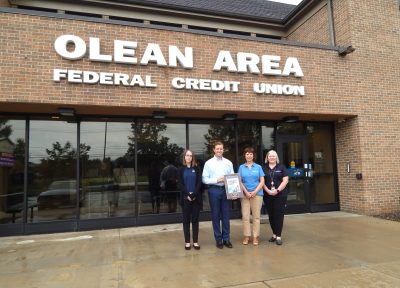
Olean Area Federal Credit Union (FCU) was recently ranked among the top 20 largest Buffalo Commercial Lenders by Buffalo Business First. With four branch offices, an expanded Field of Membership, and a $47.41 million Commercial Loan Portfolio, Olean Area FCU earned its seat among 19 other reputable financial institutions in Western New York.
“It’s exciting to see our credit union on this list,” said Olean Area FCU’s Director of Commercial Lending, Mike Smith. “I sincerely believe this achievement can be attributed to our focus on excellent service and providing the best possible products to our members,”
Olean Area FCU offers a variety of commercial products to meet businesses everyday needs. Their deposit products include business checking, savings, certificates, and merchant services. Their commercial lending programs give local business owners peace of mind knowing that their commercial team is comprised of local lenders making local decisions. Lending services include term loans, lines of credit, commercial mortgages, credit cards, as well as offering loan programs through the Small Business Administration (SBA).
Over the past year, while many business owners navigated their way through the pandemic, the Credit Union assisted over 250 local organizations with over $21 million in funding through the Paycheck Protection Program (PPP).
As Olean Area FCU approaches their 50th anniversary in 2022, CEO Richard Yeager recently commented on their growth and dedication to service, “To be included as one of the top commercial lenders in our area reflects our commitment to the communities we serve. We strive to give our commercial members flexible rates and terms to assist in their growth, and in turn, the growth of our local economies.”
Olean Area FCU is the second largest credit union in Western New York, with assets of $388 million. It currently serves over 19,000 members with four locations: 1201 Wayne Street & 206 North Clark Street in Olean, 180 West Main Street in Allegany, and 160 South Main Street in Portville, NY. In addition, Olean Area FCU recently opened an Operations Center at 234 Homer Street in Olean.
Beware Cryptocurrency Scams

Cryptocurrency is one of the hottest investments on the market. It’s also a popular ruse topic for scammers. Here’s what you need to know about cryptocurrency scams.
How the scams play out
There are several ways scammers are using cryptocurrency to con people out of their money.
- Blackmail. Emails are sent to targets, falsely claiming to have compromising photos, videos, or embarrassing info about them. The contact threatens to go public unless the victim pays up — in cryptocurrency.
- Social media. A target receives a social media message appearing to be from a friend, asking for cryptocurrency to help them out of a bind.
- Giveaways. These “giveaways” claim to be sponsored by celebrities or big-name cryptocurrency investors. They promise exponential returns for small investments in crypto, or for simply sharing personal info.
- Unrealistic Investment Opportunities. Some scammers make offers to invest in a nonexistent crypto mining operation. This is just a way for them to take your money!
- Romance. Scammers convince victims they have met a legitimate love interest who soon starts talking about fabulous cryptocurrency opportunities with incredible returns. The victim acts upon this advice, and, sadly, loses their money.
In each of these scams, the victim has no way of recovering the cryptocurrency they shared once an “investment” has been made.
How to spot a cryptocurrency scam
Look out for these red flags to help avoid cryptocurrency scams:
- You’re promised big payouts with guaranteed returns on a small investment in cryptocurrency.
- A celebrity or famed cryptocurrency investor is sponsoring a cryptocurrency giveaway.
- A friend contacts you on social media, claiming they’re caught up in a bind and need quick help by cryptocurrency.
- You’re promised free money in cryptocurrency in exchange for sharing some personal information.
- A caller, new love interest, or organization insists on payment by cryptocurrency.
Never share personal information or money with an unverified contact. Also, if you’re looking to invest in cryptocurrency, look up secure investment sites like Robinhood and Coinbase on your own.
If you’ve been targeted
If you believe you’ve been targeted by a cryptocurrency scam, report it to the FTC. If the scam was pulled off on social media, also let the platform know so they can take appropriate action.
Proceed with caution to keep your money and your information safe.
Beware of Gift Card Scams

Everyone loves gift cards. Unfortunately, scammers also love them, and for all the wrong reasons. Here’s what you need to know about gift card scams.
How the scams play out
There are several types of gift card scams:
- The IRS gift card scam. A threatening message that’s allegedly from the IRS claims you’re at risk of arrest for tax evasion unless you pay up pronto! Payment must be made by a gift card. It’s often specifically requested to be an iTunes gift card, because, as you know, the IRS always collects taxes in the form of digital music.
- The sweepstakes gift card scam. You’ve won a trip to the Cayman Islands! Just pay the processing fee by gift card. You’ll never see that majestic sunset, but your money’s ridden off.
- The utility gift card scam. If you don’t pay up with a gift card, the lights just might go out. They won’t, but if you fall for the scam, you’ll be out the money you put on the gift card.
- The balance-check gift card scam. You purchase a discounted gift card online and the seller sends the card but then asks you to read the numbers over the phone to confirm the balance. If you comply, the seller now has all the information they need to drain the card.
How to spot a gift card scam
This information can help you recognize a gift card scam:
- The IRS will never initiate correspondence by phone call, text message, or email.
- No authentic business or agency will insist on payment by gift card.
- If you don’t recall entering a sweepstakes, you probably didn’t win it either.
- A caller or message claiming a matter is urgent is almost always a scam.
In general, gift cards should not be used as payments and the numbers on your gift card should never be shared over the phone or online. Also, it’s best to purchase gift cards through reputable sellers only.
Steps to take if you’ve fallen victim
First, notify the company that issued the card about the scam. Next, block the scammer’s number from your phone and mark their emails as spam. Finally, alert the FTC about the scam.
Beware Lottery Scams!
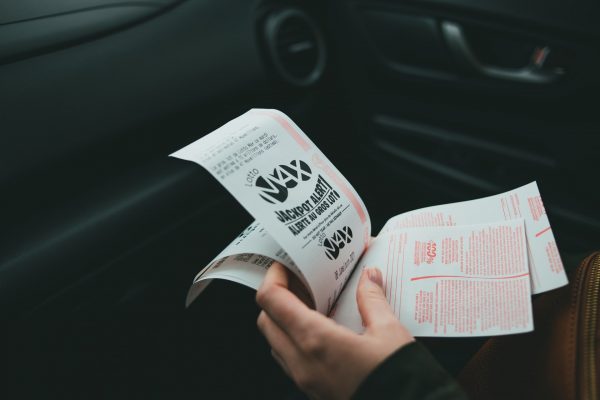
Lottery scams are frequent go-to’s for scammers, and they cash in on numerous victims. Let’s take a look at lottery scams and how to avoid falling victim.
How the scams play out
In a typical lottery scam, the victim is notified they’ve won a lottery. They may be contacted by mail, phone, text or by social media. The allegedly won prize can be a pile of cash to the tune of millions, a tropical vacation or even expensive electronic devices.
Here’s where things get tricky. To claim the prize, the victim is told they must pay a “processing fee,” but the money can only be wired to a bank account or furnished via prepaid debit card. If the victim pays the fee, the scammer will continue collecting these fees and stalling over the delivery of the prize.
In other variations of the scam, the target is asked to call a phone number or click on a link to claim the prize. They’ll then be instructed to provide personal information, such as their Social Security number or checking account info. Unfortunately, this information will make the victim vulnerable to identity theft.
Red flags
To avoid falling prey to a lottery scam, look out for these red flags:
- You’ve been notified you’ve won a lottery you’ve never entered.
- The lottery you’ve allegedly won was drawn overseas.
- The email, text message or social media alert informing you of your win is riddled with grammar mistakes and typos.
- You are warned to keep your “win” confidential.
- You’re asked to pay a fee to collect your winnings.
- You’re asked to share confidential information over the phone or online to claim your prize.
- You’re instructed to call a specific number or click on a link in order to verify your prize.
If you’ve been targeted
If you believe you’ve been targeted and/or victimized by a lottery scam, take quick action to protect yourself from further harm. Contact the Federal Trade Commission at FTC.gov to let them know about it. If you’ve already shared information and/or money, contact your local law enforcement agencies for assistance and visit the FTC’s page on identity theft to start the recovery process.
Play it safe!
Buying Your First Motorcycle

If you’re ready to get your first motorcycle, we’re here to help! Here’s all you need to know about buying your first bike.
Secure financing
It’s always best to have the financial details of a large purchase squared away before you start shopping so you can avoid disappointment later. You can save up for your bike, charge it to a low-interest credit card or apply for an auto loan from Olean Area Federal Credit Union for affordable interest rates and payback terms to best fit your budget.
Brush up on your motorcycle safety
Before you shop for a bike, it’s a good idea to complete a Motorcycle Safety Foundation (MSF) course. This is similar to driver’s training, and it will help ensure you can ride your bike in better safety. Depending on your state, you may also need to obtain a special motorcycle license.
Procure insurance
In some states, motorcycle insurance is required by law, but even if your state does not mandate it, consider purchasing it anyway. If you finance the transaction, it will likely be required you carry full coverage. As is the case with auto insurance, you’ll have the freedom to choose how much coverage you’ll have, with more robust coverage directly increasing the cost of your policy.
Choose between a new and used bike
A used motorcycle can save you thousands of dollars, but finding one in decent condition can be challenging. Avoid bikes that have mileage exceeding 20,000 miles, and are difficult to start-up, run and/or stop. It’s also a good idea to get a VIN check on your potential new bike and to have it professionally inspected.
A new bike, on the other hand, will be in perfect condition but is a lot pricier. It’s a good idea to run the numbers before setting your heart on a particular motorcycle.
Choose a motorcycle type
- Sport bikes-equipped with a leaning design, these bikes can be a good choice for thrill-seekers, but an uncomfortable option for riders planning to take long trips.
- Standard bikes-an an upright riding posture and lack of accessories make these perfect for beginners and the budget-conscious.
- Cruisers-tend to be heavy, but offer a relaxed riding position, making them an excellent choice for tall riders seeking a stylish ride.
- Touring bikes-these motorcycles are loaded with extra features for long trips, including saddlebags to accommodate luggage and large fuel tanks.
Once you’ve chosen your ride type, research models from popular brands and check out ratings and reviews from current owners. When you’ve narrowed down your choice, you’re ready to visit dealerships and private sellers.
Important features to consider
A motorcycle’s seat, handlebars, and foot pegs are not adjustable, so it’s important to choose one that fits comfortably. Consider the weight of your bike, too, since a heavier bike can be difficult to maneuver.
Are you ready to buy your first bike? Contact us, apply online, or call 800.854.6052 to learn more about financing your motorcycle with Olean Area Federal Credit Union!
Your Complete Guide to Secure Mobile Banking

In response to a rise of mobile banking scams, the Consumer Financial Protection Bureau (CFPB) has published new guidance on unauthorized electronic funds transfers, or EFTs. With more people using electronic banking as a holdover from pandemic times, it’s important for consumers to be aware of its vulnerabilities and how to protect themselves from scams. Here’s your guide to secure mobile banking and how to stay safe online.
What are the risks of mobile banking?
Unfortunately, like all transactions happening over the internet, mobile banking has some built-in risks. First, hackers can break into a phone and an account with the intent of stealing money and info. Also, phishing scams that target people over the phone can lead unsuspecting consumers to share login information with scammers so they can hack away. Finally, bogus emails and messages appearing to be from your credit union can lead you to install malware on your device.
How to bank safely online
- Consider using a VPN. A VPN (virtual private network) gives you a private network, even when you’re using public Wi-Fi, thus increasing your internet usage security by encrypting traffic to the VPN service provider and allowing internet traffic through a chosen trusted source.
- Never share your password. Don’t share your password with anyone, and follow suggested guidelines for choosing a strong password, including alternating between uppercase letters, lowercase letters, numbers, symbols, and increased length beyond minimum requirements. Also, choose a unique password you don’t use elsewhere. Change your password if your password is exposed or becomes known by someone other than yourself.
- Brush up on your knowledge of scams. Never answer a text or email that asks for account details, even if it appears to be from your credit union. Also, always be wary of unsolicited phone calls and banking alerts. Follow Olean Area Federal Credit Union on our social media pages and blog page for information on current scams. Also visit ftc.gov for the latest Consumer Alerts and up-to-date security protocols.
- Protect your phone. Consider installing an antivirus app on your phone as well as a location-tracking app so you can find your phone if it gets lost. Be sure to lock your phone after using it, log out of the mobile banking app when you’re done, and always keep your phone in a safe place.
Follow the tips outlined above for secure mobile banking and stay safe!
Remembering that technology is constantly changing and improvements to security are always occurring within mobile banking applications, stay on top of industry trends and current security availabilities.
7 Reasons to Buy an RV or Campervan

If you’re thinking of road-tripping your summer getaway, think RVs. Recreational vehicles and their close cousin, campervans, are growing increasingly popular as more families hit the road for a true American adventure that’s easier on the wallet and heavy on unique fun. Here are six reasons to buy an RV or a campervan:
1. Save money
With a means of transportation and a place to stay all rolled into one, an RV helps you save significantly on your vacation costs. Plus, when you travel with an on-the-go kitchen, you can cut down on the money you’d spend feeding your family while on the road.
2. Privacy and comfort
Why fight for legroom on a crowded airplane when you can travel in a vehicle that gives you tons of space? Move around as much as you’d like, enjoy a private bathroom and catch a few winks in the sleeping area, all while heading toward your destination.
3. Increased flexibility
When you travel using your own means of transportation, you’re in control. That means there’s no getting locked into specific dates for your getaway. Come and go as you please and vacation on the schedule that works best for you and your family.
4. Explore more
Traveling by RV will give you the opportunity to take in the sights and sounds of each place you pass through. You can even stop on the roadside to watch a glorious sunset or a passing herd of deer.
5. Bring your pets along
No need to arrange pet-sitters or to keep your furry friend in a carrier under an airline seat. When you buy an RV, you can bring your pets along and keep them nearly as comfortable as they’d be at home.
6. Tax benefits
In many states, owning an RV can mean enjoying significant tax benefits, which can include the homeowner’s deduction, a sales tax deduction and/or deducting the interest payments of your RV loan. Check with your accountant or tax pro to see which of these tax benefits apply to you.
If you’re ready to purchase an RV or a campervan, look no further than Olean Area Federal Credit Union! Our RV loans have affordable interest rates, reasonable payback terms and easy eligibility requirements for qualifying members. Call, click or stop by Olean Area Federal Credit Union to get started!
Preparing Financially for a New Baby

Congratulations! You’ve expecting a new baby and you’re breathless with excitement — and nerves. A baby means big changes, and a part of those changes is lots of new expenses. How will you pay for it all?
We’ve got the tips you need to prepare financially for a new baby.
Pay down debt
Don’t let your debt grow along with the baby bump. It’s best to get your finances in order to make it easier to manage all new expenses and prepare for your child’s future. Make a plan today to kick that debt for good!
Adjust your monthly budget
Babies don’t come cheap. When your little one arrives, you’ll need to spring for gear and furniture, a new wardrobe, diapers and possibly child care as well. Most of these expenses will be ongoing, so it’s best to make room in your budget for these new items before your child is born.
Set up a baby account
All those expenses can be overwhelming, but if you break them down into bite-sized pieces, they’ll be easier to manage. Why not set up a separate savings account for all baby expenses? You can automate these savings by setting up a monthly transfer from your paycheck or checking account to your “baby account.”
Estimate prenatal care and delivery costs
It costs how much to have a baby?
Some folks can pay close to $10,000 in prenatal costs and delivery. Of course, these amounts do vary by location and insurance provider, but it’s a good idea to work out exactly how much it will cost you to have a baby so you aren’t in for an unpleasant surprise after the baby is born. Start saving now!
Start saving for college
Believe it or not, your little one will, one day, be all grown up and ready for college! This can mean paying a small fortune in tuition. The sooner you start saving for your child’s college education, the easier it will be to save. You’ll spread the costs, and also give those savings the best chance at growth.
Consider opening a 529 plan before your child is born where your college savings can grow tax-free.

How to Save on Wedding Costs

Did you know the average U.S. wedding costs $28,000*? That’s a lot of money to spend on one event!
But it doesn’t have to be this way. Here’s how you can have the wedding of your desire and your budget, too.
Choose your top priority
Most couples-to-be have some fantastical dreams about their wedding day. It might be a huge wall of flowers, a custom wedding gown or a wedding aisle fitted with hundreds of floating candles.
Whatever your dream, count on it costing a pretty penny. To avoid going into debt for your special day, choose the one item for your wedding that is most important to you as a couple. That one must have you are willing to get at almost any cost. Trim costs in other places to leave room in your budget for your top priority.
Skip the invites (average cost: $590)
Snail mail is so last millennium. Bring your wedding up to date and make some budget breathing room by creating a cost-free e-invite that includes all the wedding details and the ability to RSVP electronically. You’ll be doing your wallet, and the environment, a favor!
Go nontraditional with the venue (average cost: $10,500)
A typical venue can eat up a wedding budget fast. Make your wedding extra-special and save on costs at the same time by choosing an out-of-the-box venue, like an art gallery, your favorite upscale restaurant or even atop a scenic lookout point.
Ditch the rehearsal dinner (average cost: $1,900)
Why not put that money toward something with lasting value? If you feel like you need a rehearsal to make sure everything goes smoothly, ask the officiator and the members of the wedding party to practice the ceremony with only a short, no-food run-through.
Choose a non-bridal gown (average cost: $1,600)
Everything on your list gets more expensive when you tack on the word “wedding.” Save on one of these expenses by purchasing a gown that’s not designed exclusively for a wedding. Any floor-length white gown from a department store or boutique will do, and you can always add embellishments to dress it up a bit. You’ll still save a fortune.
Limit your guest count (average cost per guest: $70)
So many parts of your wedding, from the catering, to the bar, to the cake, cost more with each added person. Keep your wedding intimate by only inviting guests who really count. You can limit the plus-ones, specify that the reception is adults-only or restrict the guest list to people who are currently in your life, instead of inviting every acquaintance you’ve ever had.
Rethink your cake (average cost: $500)
Consider a shorter or narrower cake for pictures and cutting, and have the caterer serve a frosted sheet cake so there’s enough for all your guests.
6 Ways to Avoid Getting Scammed This Summer

Don’t get scammed this summer! Follow these tips to stay safe.
1. Never pay for a “prize” vacation
If you’re asked to pay a small fee to claim a free vacation prize, you’re looking at a scam. A legitimate company will never ask winners to do that.
2. Use a credit card when traveling
A credit card offers you the most protection in case something goes wrong. You’ll be able to dispute unauthorized charges, and in most cases, reclaim your lost funds
3. Ignore celebrity messages
A direct text from a movie star, singer or athlete asking for money for a charity or claiming you’ve won a prize, but need to pay a processing fee, is a scam.
4. Check for skimmers at the pump
If you’ll be pumping gas in unfamiliar places, check the card reader for skimmers, which can relay your credit or debit card information to a scammer.
To check for a skimmer, try wiggling the card reader; this should dislodge a skimmer if there is one. Next, check to see if the keypad looks newer than the rest of the card reader. Finally, touch the surface of the keypad to see if it’s raised.
5. Research vacation rentals carefully
Before booking a vacation rental, read the reviews of previous guests. If there aren’t any, or they don’t sound authentic, you’re likely looking at a scam. You can also look up the address of the rental to see if it actually exists and if the location matches the description in the listing. Finally, as mentioned above, use a credit card to pay for the stay so you can dispute the charges if it ends up being a scam.
6. Vet potential contractors well
It’s best to only hire contractors you’ve personally reached out to instead of hiring one that comes knocking on your door. Also, before hiring, research a potential contractor carefully, asking for contact info of previous clients, checking out their online presence, and looking up the business on the BBB website. Finally, don’t agree to pay more than a third of the total cost of a job before the work starts.
Stay safe!
Beware Child Tax Credit Scams

Money’s on the way to millions of households, and that means scammers are not far behind! The Child Tax Credit (CTC) taking effect in July will provide monthly payments of up to $300 per child for approximately 40 million households. The payments will provide struggling families with desperately needed funds unless the scammers get to the money first.
Here’s what you need to know about CTC scams and how to avoid them.
How the scams play out
In one variation of the scam, victims receive phone calls, emails, or social media messages appearing to be from the IRS and asking them to authenticate their personal details or share sensitive information to get their CTC funds. Instead of pretending to be the IRS, the scammer may claim to be offering to “help” the victim get their funds. In either scenario, if the victim follows the instructions, they’ll be playing right into the hands of scammers.
In another variation of the scam, victims land on a spoofed government website and are invited to input their personal information. Unfortunately, this can open the door for scammers to pull off identity theft and more.
What you need to know about the Child Tax Credit and the IRS
- The IRS does not make unsolicited calls or emails. All official communications from the IRS are sent via standard USPS mail.
- You do not need to take any action or share any personal info to receive the Child Tax Credit.
- Only the IRS will be issuing the Child Tax Credits. Anyone else claiming to “help” you receive the payments is a scammer.
If you’ve been targeted
If you believe you’ve been targeted by a CTC scam, follow the cardinal rule of personal safety: Never share sensitive data with an unverified source. Triple-check the URL on any IRS webpage you visit, as these are easily spoofed. Finally, report all suspicious activity to the IRS and the FTC.
For additional information on the upcoming Child Tax Credits, to check if you qualify, or to update your dependent or banking information, visit the IRS’s CTC webpage directly at IRS.gov
Stay safe!
Your Complete Guide to Homeowners Insurance

Q: I’m taking out a homeowners insurance policy on my new home. What do I need to know?
A: Homeowners insurance is designed to protect you and your family members from liability and cover your home, plus possessions, in the event of disaster or theft.
What kinds of plans are available for homeowners insurance?
Here are the most common types of homeowners insurance plans:
HO-2 – A policy that only protects against 16 specified perils.
HO-3 – A broad policy that protects against all perils other than those excluded in the policy.
HO-5 – A premium policy that usually protects newer homes and covers all perils except the few excluded in the policy.
HO-6 – Insurance for co-ops/condominiums, which includes personal property coverage and liability coverage.
Each plan type will also include some extent of liability coverage.
Are all catastrophes covered by insurance?
Most policies will only cover events if they are sudden and accidental. Some natural disasters, like earthquakes and floods, require a separate policy for coverage.
Should I choose a plan with a lower deductible?
A lower deductible means your insurance coverage will kick in sooner, but you’ll also have a higher premium. When choosing a plan, find one offering a deductible you can comfortably afford along with the lowest possible premium. Your Financial Institution may have a maximum amount allowed for your deductible.
Will my insurance cover all of my belongings?
Every policy will have a cap on payouts, and there are also sub-limits at play. For example, an insured dwelling that’s valued at $400,000 will typically have a 50% sub-limit. In case of a major catastrophe, the insured will only receive up to $200,000 in payouts.
Most policies will also have a replacement cap on specific items. If you own valuables, like pricey jewelry, firearms and artwork, consider purchasing a rider to separately cover these items.
Should I choose a replacement-cost plan or an actual cash-value plan?
A replacement-cost plan will pay for the full cost of replacing a damaged dwelling or your belongings up to a predetermined cap. An actual cash-value plan, on the other hand, will only offer payouts to cover what the damaged item was worth at the time of the disaster.
A replacement-cost plan offers more robust coverage, but the premiums can be a lot higher. The perfect plan for you depends on your financial standing, the value of your home and belongings, and the price you put on peace of mind.
Will all of my claims be honored?
For your claims to be honored, your property and home must be well-maintained. Be careful to take the necessary measures to ensure that your home is in excellent condition.
Should I use the insurance company my lender recommends?
You’re under no obligation to use the company your lender recommends. It’s best to get at least three different quotes before making a decision.
7 Reasons Not to Skip A Home Inspection

If you’re in the market for a new home, don’t forget to include an inspection contingency in your contract. A professional home inspection can save you a ton of aggravation and thousands of dollars in the long run. The inspector will carefully examine the entire house, checking its systems, structure and equipment for functionality and potential problems.
Here are 7 reasons to not skip a home inspection:
1. Find deal-breakers
A house may look fantastic, yet have major issues with wiring, roof, HVAC, plumbing and more. A quality home inspection will give you the inside scoop. If the inspection reveals any large problems that may take heavy work or expensive repairs, you might want to back out of the deal.
2. Safety concerns
An inspection can reveal the presence of harmful substances like radon, carbon monoxide and mold. Look for these hazards before it’s officially yours. You don’t want any unpleasant surprises when it’s too late to back out.
3. Anticipate future costly repairs
A home’s systems and equipment may appear to be working fine when they’re actually on their last legs. A professional inspector can determine the age and condition of the systems and equipment, and then forecast when they’ll need to be repaired or replaced. This can help you budget for a major repair several years down the line.
4. Reveal illegal additions
The awesome rec room you love in your potential new home might have been illegally built. An inspection will check for rooms, garages and basements that were added or finished without following legal codes or obtaining the proper permits. Having an illegal addition in your home means owning property that does not officially exist. This can get you into big trouble with home insurance and property taxes.
If a home inspection reveals any illegal additions, you can ask the seller to obtain the proper permits now, use this information as a bargaining chip or choose to back out of the deal.
5. Obtain insurance easily
Lots of home insurance companies will not insure a home if it has not undergone a certified inspection.
6. Learn how to protect your investment
The inspector will be an invaluable source of information for you, providing tips and knowledge on how best to maintain your home. Knowing how to properly care for your home can save you thousands of dollars over the years.
7. Negotiate
Most home inspections will reveal problems. If they are minor enough to keep you interested in buying the house in its present condition, use them as bargaining tools and renegotiate the purchase price of the home.
Are you in the market for a new home? Call, click or stop by Olean Area Federal Credit Union today to ask about our fantastic home loan options!
What Do I Need to Know About the Advance Child Tax Credit Payments?

Q: What do I need to know about the advance Child Tax Credit payments of 2021?
A: The advance Child Tax Credits of 2021 will be distributed monthly to eligible families, beginning on July 15. Here’s what you need to know about these payments.
What are the changes to the Child Tax Credits for 2021?
The Child Tax Credit (CTC) for 2021 will be greatly expanded:
- Eligible families will get $3,000 per qualifying child between ages 6 and 17 at the end of 2021.
- Eligible families will get $3,600 per qualifying child under age 6 at the end of 2021.
- The credit is fully refundable.
- Advance payments of up to 50% of the total CTC per family will be distributed once a month, from July 15 through Dec. 15, 2021.
Who’s eligible for the Child Tax Credits?
Taxpayers who have a primary residence in the U.S. and live in it at least half of the year are eligible for the child tax credits.
Payments will begin to be phased out for married taxpayers filing a joint return who earn more than $150,000 a year, for heads of household earning more than $112,500 a year and for all other taxpayers earning more than $75,000 a year. Income eligibility will be based on 2020’s tax return.
How much will I receive per month through the advance Child Tax Credits?
The advance payments being sent to qualifying families will be equal to up to 50% of each family’s total CTC. The payments will be based upon the income information found in taxpayers’ 2020 tax returns, or, if these are not yet filed, in the 2019 tax returns.
Families eligible for the full CTC will receive half of the total across a six-month time span. From July to December, eligible families will receive $300 a month per child under age 6, and $250 a month per child ages 6-17.
Can I decline the advance payments of the 2021 Child Tax Credits?
Eligible taxpayers who do not want advance payments of the 2021 Child Tax Credit can choose not to receive them. This may apply to taxpayers who anticipate earning more in 2021 than in 2020, or who have primary custody of the child(ren) receiving the credit in 2020, but not in 2021. The IRS has not yet provided instructions for how to officially decline the advanced payments, but has promised to update its website when they are available.
The advance CTC payments will be a boon for families struggling with the financial fallout of the pandemic, but it may not be in every taxpayer’s best interest to accept these payments now. Use our guide to brush up on the details of these payments so you can make an informed decision.
SOURCES:
https://www.irs.gov/credits-deductions/advance-child-tax-credit-payments-in-2021
Tips for Recent Homebuyers
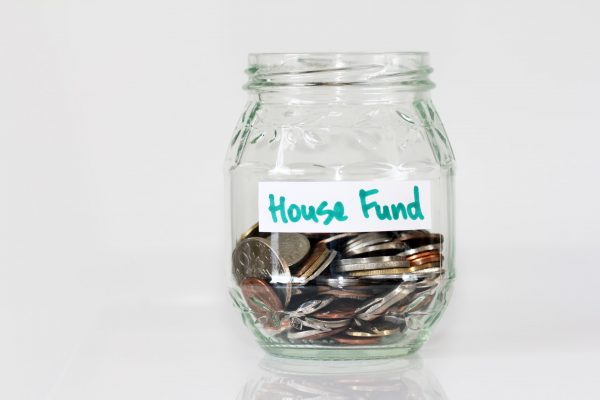
Becoming a homeowner is a major milestone. There’s a thrill in owning your own place, and you’ve got a new, large investment to maintain. Successful homebuyers are those who can perfectly balance that new freedom and responsibility.
There are several upcoming firsts for recent homebuyers. Check out these common homeowner situations, and you’ll be prepared for a possible setback.
1. Something major breaks
As a renter, if the refrigerator breaks, the landlord repairs it. In contrast, when something like an appliance or major system breaks in your home, you’ll be responsible to fix it.
If you’re counting on homeowner’s insurance or a home warranty to cover you, check your policies carefully. Most home warranties end at the walls of your house, and insurance won’t cover damage outside of a disaster. If your home needs significant work, you’ll probably be covering the costs yourself.
Consider practicing self-insurance. Start a home repair and renovation fund, and build major expenses into your monthly budget. These expenses become manageable when spread out over the course of several months. Expect to spend 1-4% of the value of your home in repairs and maintenance annually.
2. Costs increase
When considering a budget in your new location, housing costs aren’t the only thing likely to increase. If you’re moving from a smaller apartment into a larger home, utility costs will rise. If you’re moving into an older house, appliances won’t run as efficiently.
Additionally, transportation costs may rise if you’ve moved further away from work. A larger kitchen might encourage more cooking and entertaining, increasing the grocery budget. Lawn maintenance costs may appear on your budget for the first time.
During your first month as a homeowner, document your new living expenses so you can budget for them properly. If, after a month, you see that your expenses are too high, you’ll have an idea about where you can make cuts.
3. Tax bills come due
Property taxes can wreak havoc on your budget. While many mortgage companies include these costs in your regular mortgage payment, other homeowners are responsible to pay them at tax time. If that’s the case for you, it’s important to determine what your tax bill might look like.
The U.S. average property tax bill is under $3,000, or $250 per month. Here also, setting the expense aside monthly instead of paying it in one shot makes it manageable.
4. Maintenance requirements increase
There are dozens of things around the house, such as smoke alarms and toilet bowl seats, that decay with time. Some of these objects can damage your house if they don’t work properly.
Make a list of chores that need to be done monthly, weekly or annually. Keep a spreadsheet so you know the last time maintenance was performed on major items in your home. As always, it’s a good idea to fix little problems before they turn into big ones.
Six Reasons to Switch to E-Statements

Quick, convenient, and clutter-free, E-statements are the way to secure your account info.
Your E-statements work similarly to paper statements, except for the fact that they’re delivered electronically. At the end of each statement period, you’ll get an email from your credit union informing you that your E-statement is ready to view through the online app or another secure means. Once you access the E-statement, you’ll find it has all the information you’re used to getting with your paper statements. You can also access your E-statement by logging into your online banking account, E-teller, or app at any time throughout the month.
Here are six reasons to consider switching to E-statements.
1. Check your accounts at a glance
With E-statements, there’s no need to wait for your monthly statement to arrive in the mail. With just a few clicks, you can check your account balance at any time, anywhere, using the mobile device of your choice.
2. Clear out the clutter
Why bother with piles of paperwork when you can access your accounts digitally? It’s neater, cleaner, and helps cut down on stuff flooding your mailbox.
3. Keep your information safer
With E-statements, you’ll never have to worry about losing a paper that has confidential banking information, or mistakenly tossing it into the trash where it can be nabbed by shady peeps.
4. Monitor your accounts for fraud
When you have instant access to your accounts throughout the month, it’s a lot easier to check for signs of fraud. Plus, when you spot the fraud sooner, you can take steps to stop and fix the damage earlier, giving you a better chance of a full recovery.
5. Eco-friendly
Less paper statements means less paper waste and fewer trees getting felled for something that will ultimately be tossed. Go green for the environment with E-statements!
6. Safe and secure storage
Filing cabinets are so last century. With E-statements, you’ll never stress about misplacing your account statements again. Your online banking portal or app acts as a convenient and secure filing cabinet, storing your account statements for access as needed.
Ready to make the switch to E-statements? Signing up is easy! Just follow the instructions on our mobile app, Mobile CU, or click on this link to get started. Hello, convenience!